

In today’s fast-paced world, maintaining a consistent fitness routine can be challenging. Yet, developing the right workout habits is crucial, not just for achieving aesthetic goals but for overall health and wellbeing. Whether you’re a gym regular in Berlin, a runner in Barcelona, or someone who enjoys home workouts in Copenhagen, adopting effective workout habits can make all the difference. This article explores practical, evidence-based strategies to build and maintain a sustainable exercise routine.
1. Set Realistic Goals
One of the most common mistakes people make is setting overly ambitious goals. While it’s tempting to aim for rapid transformation, such targets often lead to frustration and burnout. European research indicates that gradual, sustainable progress is more effective in the long term. Instead of promising yourself to lose five kilos in a month, aim for achievable milestones, such as improving your strength, endurance, or flexibility week by week. Clear goals provide direction, boost motivation, and give you a sense of accomplishment as you progress.
2. Establish a Routine
Consistency is key. Workout habits are much easier to maintain when exercise becomes part of your daily or weekly routine. Many Europeans swear by structured schedules—morning jogs in Paris before work, lunchtime gym sessions in Milan, or evening yoga classes in Amsterdam. Consistency trains your body and mind to expect exercise, reducing the likelihood of skipping sessions. Use calendars, apps, or even simple reminders to lock in your workout times. Treat them as non-negotiable appointments with yourself.
3. Warm-Up and Cool Down Properly
Skipping warm-ups and cool-downs is a common error, but both are essential for preventing injuries and improving performance. A proper warm-up increases blood flow, loosens muscles, and primes the nervous system. This might involve light cardio, dynamic stretches, or mobility exercises. Likewise, cooling down after a workout helps your heart rate return to normal and reduces muscle soreness. Europeans often incorporate stretching or foam rolling into their post-workout routines, a practice worth adopting for better recovery.
4. Mix Different Types of Exercise
Variety is not just the spice of life—it’s a crucial component of an effective workout routine. Combining strength training, cardiovascular exercise, and flexibility work can maximise overall fitness and prevent plateauing. For instance, alternating between cycling, swimming, and weightlifting ensures multiple muscle groups are engaged while keeping workouts exciting. Europeans tend to enjoy diverse activities, from skiing in the Alps to beach volleyball on the Mediterranean, which highlights the importance of mixing exercise types.
5. Prioritise Form Over Weight
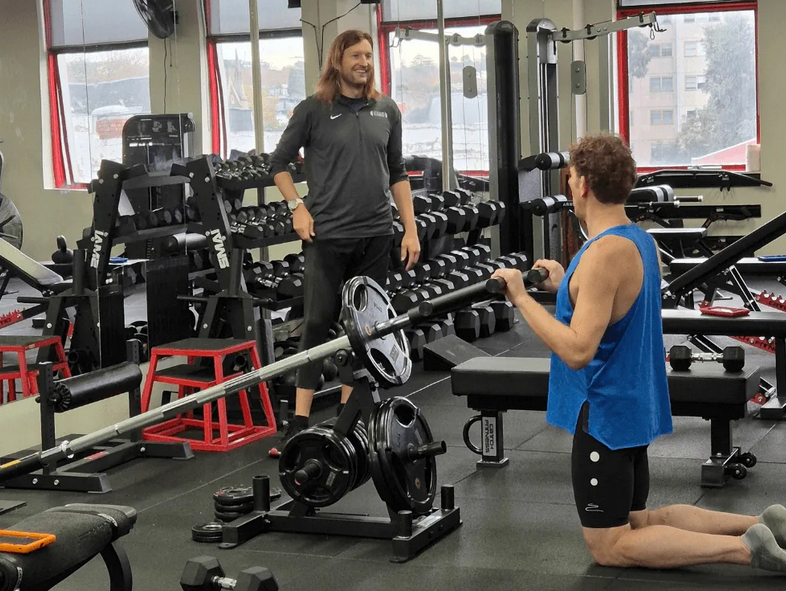
Lifting heavier weights might seem impressive, but poor technique can lead to injury. Maintaining correct form should always come first, particularly with resistance training. If necessary, reduce the load to ensure each movement is performed correctly. Many European gyms offer group classes or personal training sessions, which can be invaluable for learning proper form and staying motivated. Remember, quality always outweighs quantity when it comes to safe and effective workouts.
6. Listen to Your Body
A crucial habit often overlooked is paying attention to your body’s signals. Overtraining can be counterproductive, causing fatigue, injury, or burnout. If you’re feeling unusually sore or tired, it’s wise to rest or engage in lighter activities, such as walking, yoga, or swimming. Recovery days are as vital as workout days, allowing muscles to repair and grow stronger. Europeans frequently adopt a balanced approach, mixing high-intensity training with active recovery, which has proven long-term benefits for physical and mental health.
7. Track Your Progress
Monitoring your improvements can significantly enhance motivation and adherence. Simple methods include keeping a training diary, using a fitness app, or recording your personal bests. Tracking performance helps identify what works and what doesn’t, allowing adjustments for maximum results. For instance, if your running times stagnate, you might include interval training or hill sprints to improve endurance. Many Europeans enjoy data-driven approaches to fitness, whether it’s via smartwatches, running apps, or online fitness communities.
8. Incorporate Social Support
Exercising with others can boost accountability and make workouts more enjoyable. Group classes, workout partners, or community events foster social connections that enhance motivation. Many cities across Europe offer community fitness initiatives, such as outdoor yoga sessions, charity runs, or cycling clubs. Sharing goals and progress with others adds a layer of encouragement, making it easier to stick to a regular routine.
9. Prioritise Nutrition and Hydration
No workout habit is complete without proper nutrition and hydration. Consuming a balanced diet rich in protein, complex carbohydrates, healthy fats, and vitamins supports performance and recovery. Hydration is equally critical; even mild dehydration can negatively impact energy levels and muscle function. Europeans often embrace fresh, whole foods and mindful eating practices, which align perfectly with effective workout habits. Pairing your exercise routine with smart dietary choices ensures you get the most out of every session.
10. Stay Flexible and Adaptable
Life is unpredictable, and rigidity can lead to frustration. Travel, work commitments, or illness may disrupt your routine, but adaptability is essential. Europeans are known for integrating fitness into daily life—cycling to work in Amsterdam, walking in historic city centres, or using home workout videos when time is tight. Flexibility in your workout schedule ensures you maintain consistency without feeling guilty about occasional disruptions.
11. Celebrate Small Wins
Finally, don’t underestimate the power of acknowledging progress. Celebrating milestones, however small, reinforces positive behaviour and keeps motivation high. Whether it’s hitting a new personal best, attending every session in a month, or simply feeling more energetic, recognising achievements helps sustain long-term commitment. Europeans often embrace this mindset, viewing fitness as a journey rather than a destination.
Conclusion
Developing strong workout habits is about more than just showing up at the gym—it involves a combination of planning, consistency, recovery, and mindfulness. By setting realistic goals, varying your exercise routine, prioritising form and recovery, and integrating social and nutritional support, you can build a sustainable fitness routine that fits seamlessly into your lifestyle. Whether you live in London, Madrid, or Vienna, these habits can help you stay motivated, avoid injury, and ultimately, achieve a healthier, more balanced life.
Adopting these strategies doesn’t require a complete lifestyle overhaul overnight. Start small, stay consistent, and gradually incorporate these habits into your weekly routine.judgeyourhealth Over time, they become second nature, transforming exercise from a chore into a rewarding, lifelong habit. Remember, in the world of fitness, patience, persistence, and smart habits always win the day.https://www.judgeyourhealth.com/